June 2026 Bakery

js-notes is my personal knowledge management system. It captures articles, podcasts, and videos, extracts their full text, and enriches them with AI-generated summaries and tags. This is the best half of what I added to my notes system in June 2026.
Gergely Orosz reports from the future, inside OpenAI, Anthropic, and Cursor on trends reshaping software.
 Gergely Orosz
Katja Hoyer, in conversation with Tyler Cowen on Germany intrigued me enough to get her book Blood and Iron, which is also quite good.

Gergely Orosz interviews Navdeep Singh, the creator of NeetCode, a tech interview prep product.
 Gergely Orosz
Sean Goedecke argues AI inference is obviously very profitable.


Kun Chen is an absolute beast.
Bear Grylls walks through the morning routine he hasn't changed in decades. Fun fact, I kind of named my son after this dude.
Wouldn't it be great to never have a cold again?
 Nan Ransohoff and Charlie Petty and Devin Sok
Steve Huynh recommends arriving with options and a recommendation, broadcasting progress before you're asked, communicating at the right altitude for the room.
 Steve Huynh
Ron Shah gathers ten lessons from his three father figures: be honest, work hard, and pray; treat all living things as interconnected; accept destiny while still working for it; seek the simple, common-sense answer; value charity; and don't forget to enjoy life and find the humor.
 Ron Shah
Kun Chen, a former L8 principal, walks through the terminal-centric agentic workflow that lets him ship 40-50 tested PRs a day.
Samuel Hughes traces how Tokugawa Edo doubled as a gilded prison, forcing daimyo lords to keep their families as permanent hostages and packing nearly half its population with stipend-drawing samurai.
 Samuel Hughes and Works in Progress
Gergely Orosz reports how Meta gutted a two-decade engineering culture in weeks — forcibly reassigning 30-50% of core engineers to AI data labeling, tracking keystrokes, and scoring token usage in performance reviews.
 Gergely Orosz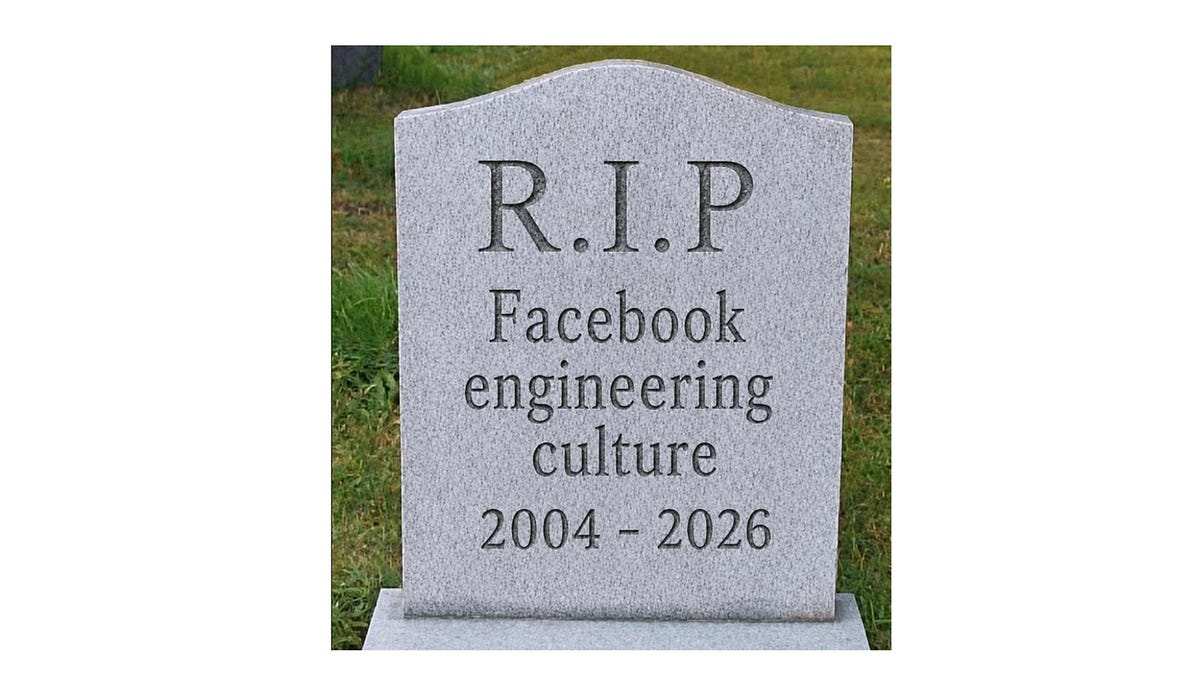
Andrew Burleson explains the counterintuitive reason storefronts sit empty for years. Cutting rent to fill a space re-prices the property downward, can push the loan underwater, and forces a foreclosure both landlord and bank would rather avoid.
 Andrew Burleson
Ben Southwood argues the Industrial Revolution's hidden precondition was the Glorious Revolution of 1688, which supercharged Parliament's output and let it dismantle fragmented property rights through thousands of enclosure, estate, and turnpike acts.
 Ben Southwood and Works in Progress
Ben Thompson interviews analyst Michael Morton on e-commerce in the AI age, where the emerging pattern is AI acting as a referral channel rather than a distributor.

Patrick McKenzie makes the case that a mortgage is best understood as a manufactured product moving down a supply chain, not a loan between a bank and a customer.
 Patrick McKenzie
Sean Goedecke argues engineers should run at 80% utilization.


Kun Chen, a former L8 engineer at Meta, Microsoft, and Atlassian, chronicles his first month as a solo builder.
 Kun Chen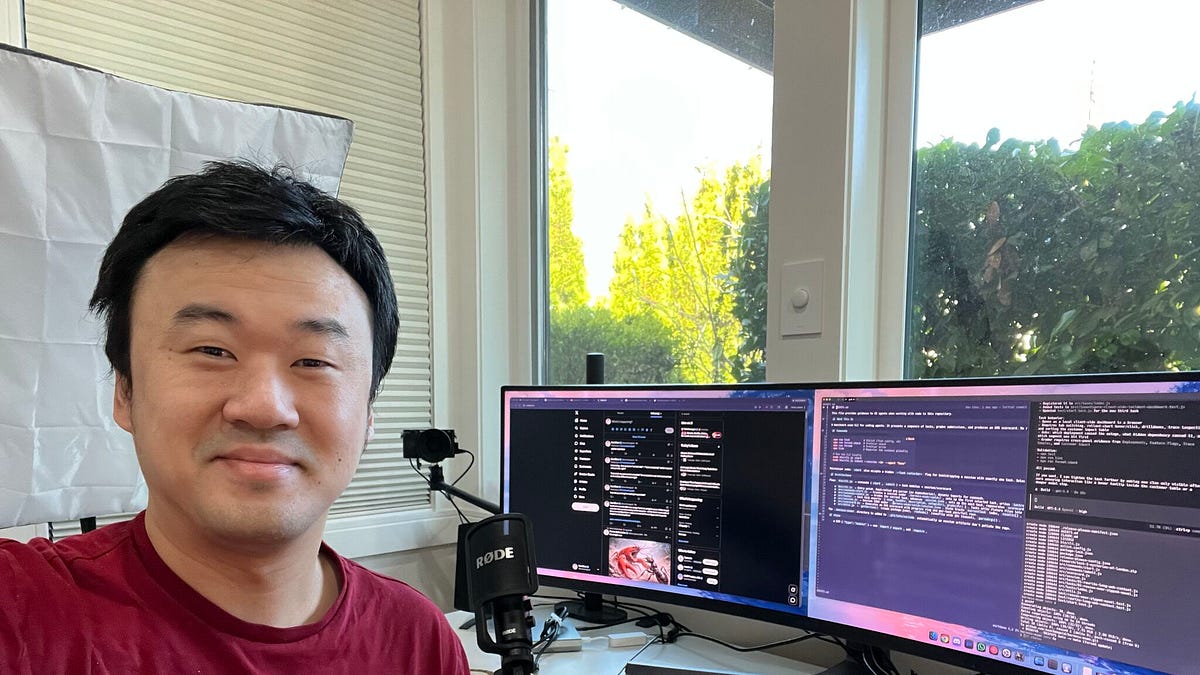
Robin Sloan built BoopSnoop, a ruthlessly simple messaging app with exactly four users — his family.


Patrick McKenzie traces ACATS, the system governing US brokerage transfers.
 Patrick McKenzie
Sean Goedecke argues that anti-AI rhetoric among programmers often echoes the structure of fascist thinking.


Member discussion