March 2026 Bakery

js-notes is my personal knowledge management system. I built it this month to captures articles, podcasts, and videos. It extracts their full text, and enriches them with AI-generated summaries, notes and tags which all becomes instantly searchable to me. This is everything that I added to js-notes in March.
I might consider organizing this by theme next month. Instead this list is chronological. Let me know if you'd prefer another format.
Steve Yegge coined "vibe maintainer" for his approach to reviewing AI-generated PRs in his open-source projects. Rather than rejecting AI submissions, he's built a workflow for encouraging and managing them.
 Steve Yegge
Mike Masnick argues that agentic AI tools could democratize web development and help people escape corporate digital silos — a return to the early web's creative ethos, but this time with AI lowering the technical barrier.
 Mike Masnick
Aaron Levie applies the Jevons Paradox to knowledge work: as AI makes individual tasks more efficient, the total volume of knowledge work expands rather than contracts.
 Aaron Levie
If Books Could Kill examines the worst media takes on the U.S.-Israel military strikes on Iran, critiquing how prominent columnists echoed the same flawed arguments used to justify the Iraq War.
Claire Vo went from OpenClaw skeptic (it deleted her family calendar) to running nine specialized agents across multiple machines. A good look at what daily life with AI agents actually looks like.
 Lenny Rachitsky
DHH announces Basecamp to prioritize AI agent integration. After finding native AI features underwhelming, they bet on making the platform agent-accessible instead.


From an engineer at Anthropic on building multi-agent AI systems for full-stack apps. The GAN-inspired approach to frontend design quality is clever.

37signals is treating agent-friendliness as a form of accessibility. Their new CLI lets AI agents interact with Basecamp directly.

Marc Andreessen dismissed introspection as harmful. Jay Michaelson explains why that's historically illiterate and dangerous.
 Jay Michaelson
Product success depends more on company incentives and structural factors than individual engineering quality. Resonates.


Patrick McKenzie on how a YC-backed startup allegedly sold fake SOC 2 audit reports. The compliance industry has some wild corners.
 Patrick McKenzie
MIT's Heather Kulik on why materials science lacks an AlphaFold-level breakthrough despite AI progress. The quantum mechanics complexity is real.
 Brandon Anderson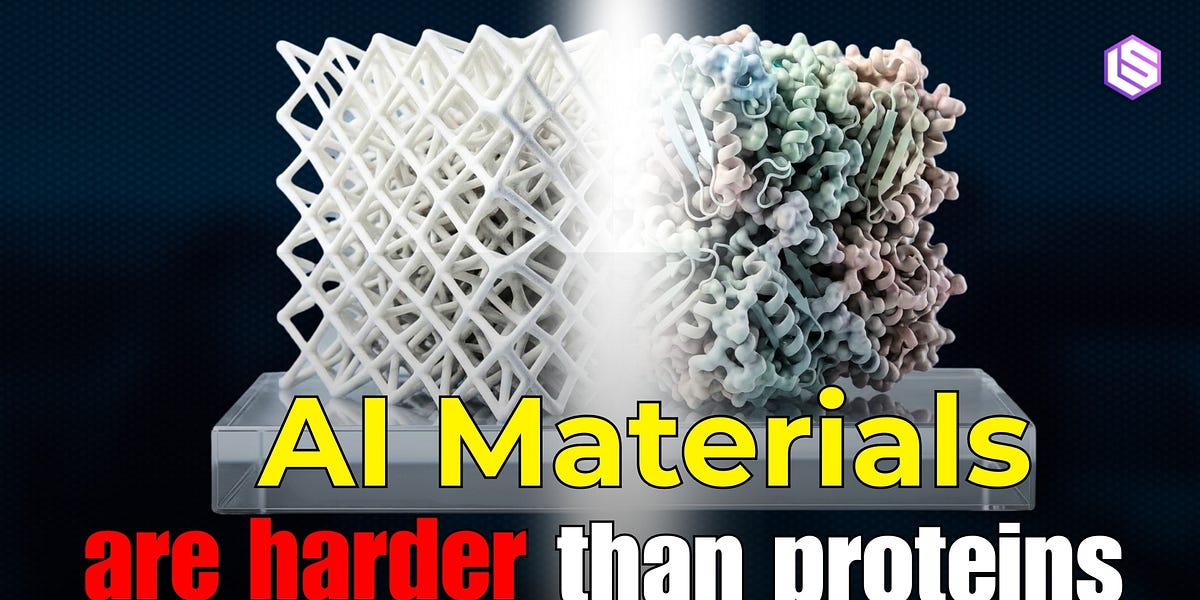
Boz on writing as a thinking tool. Writing forces loose ideas into clarity. Even writing no one will read makes you sharper.
 webmasterboz.com (Andrew Bosworth)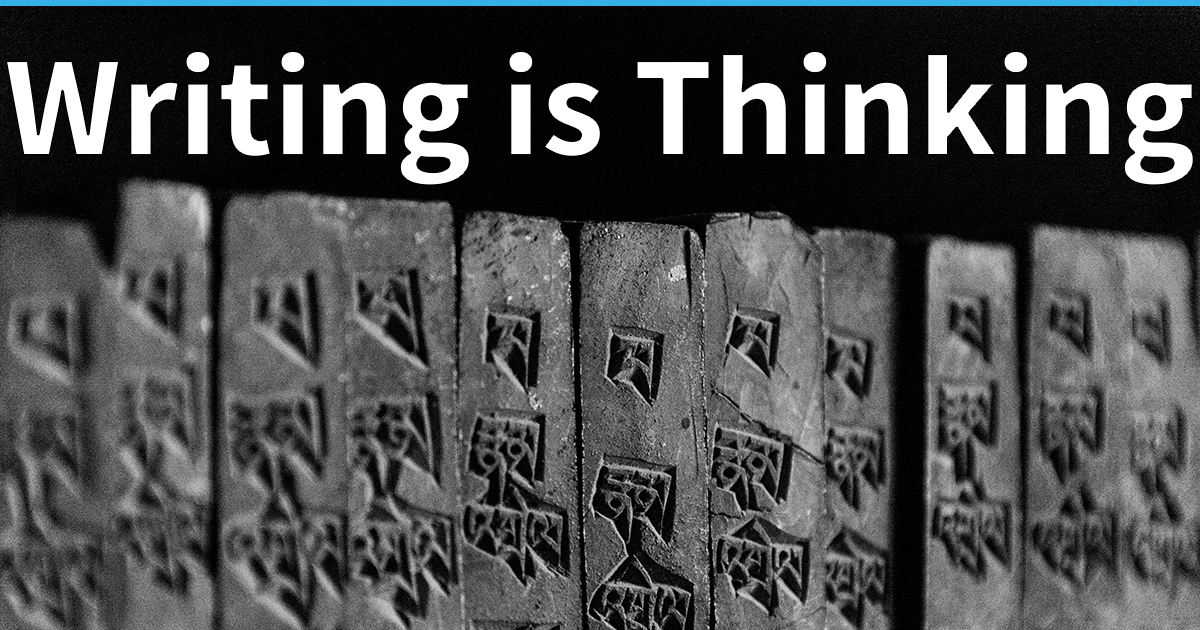
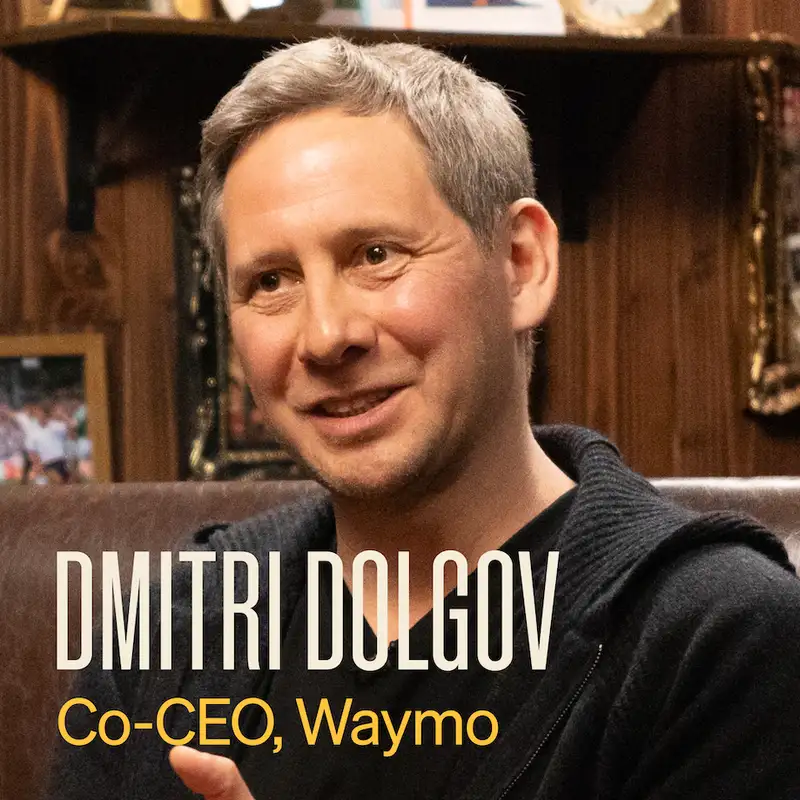
Waymo's co-CEO on going from lab research to 500,000 autonomous rides per week. Twenty years of patience paying off.

Scott Alexander reframes AI 'hallucinations' as 'shameless guessing.' The framing matters — it changes how you think about fixing the problem.
 Scott Alexander
"bff (build, friction, fix) is the pattern i use to give myself the permission, the freedom, to get started and take the first step. it applies at every level of granularity: a single session, a larger feature, entire projects or dreams. a self-reinforcing fractal pattern. small to wide to wider."
 marshall houston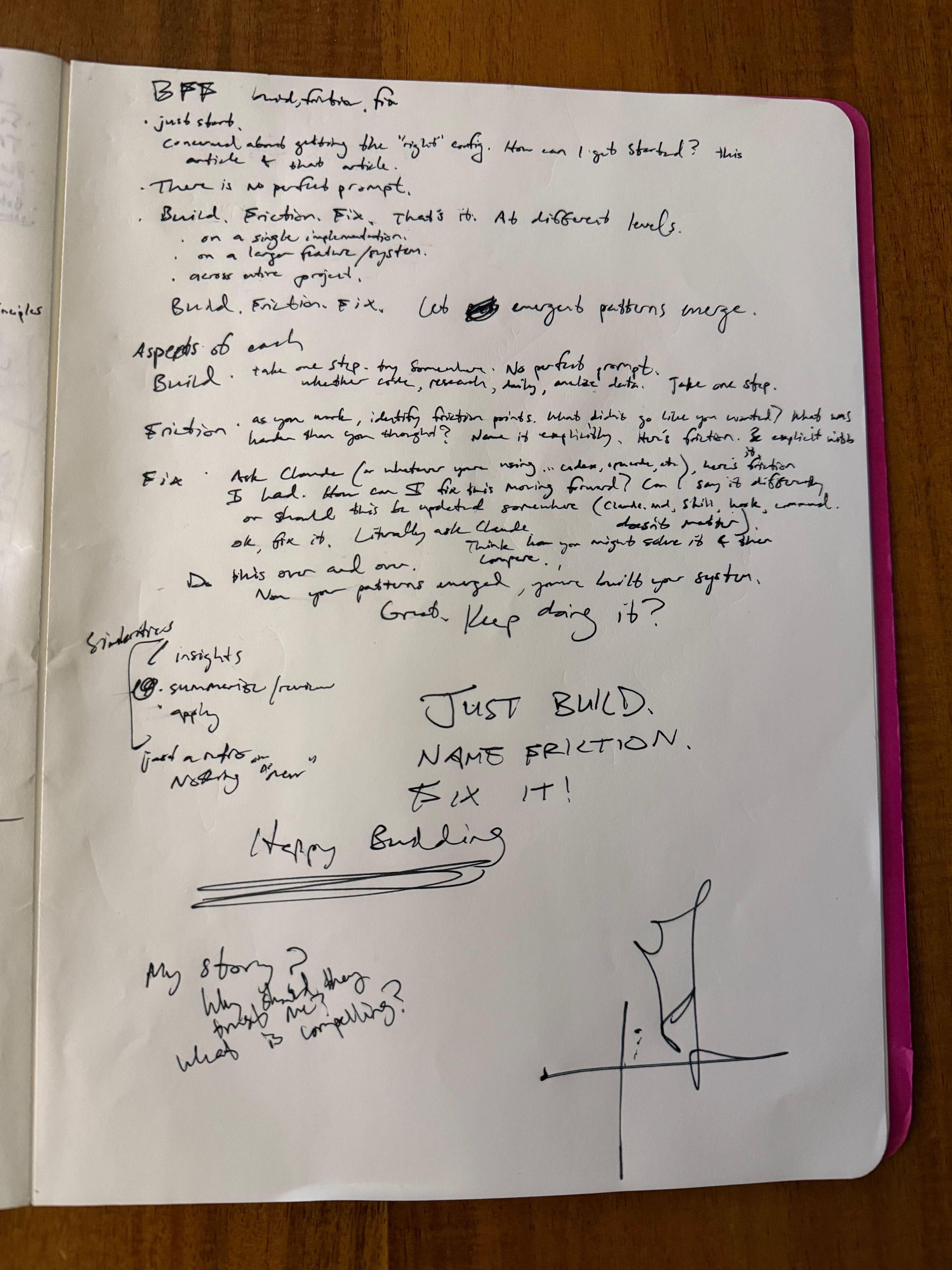
Roundtable with engineering leaders from Stripe, NVIDIA, Microsoft, Google DeepMind, xAI, Apple, and OpenAI on the future of software engineering in the age of AI.
 Software Synthesis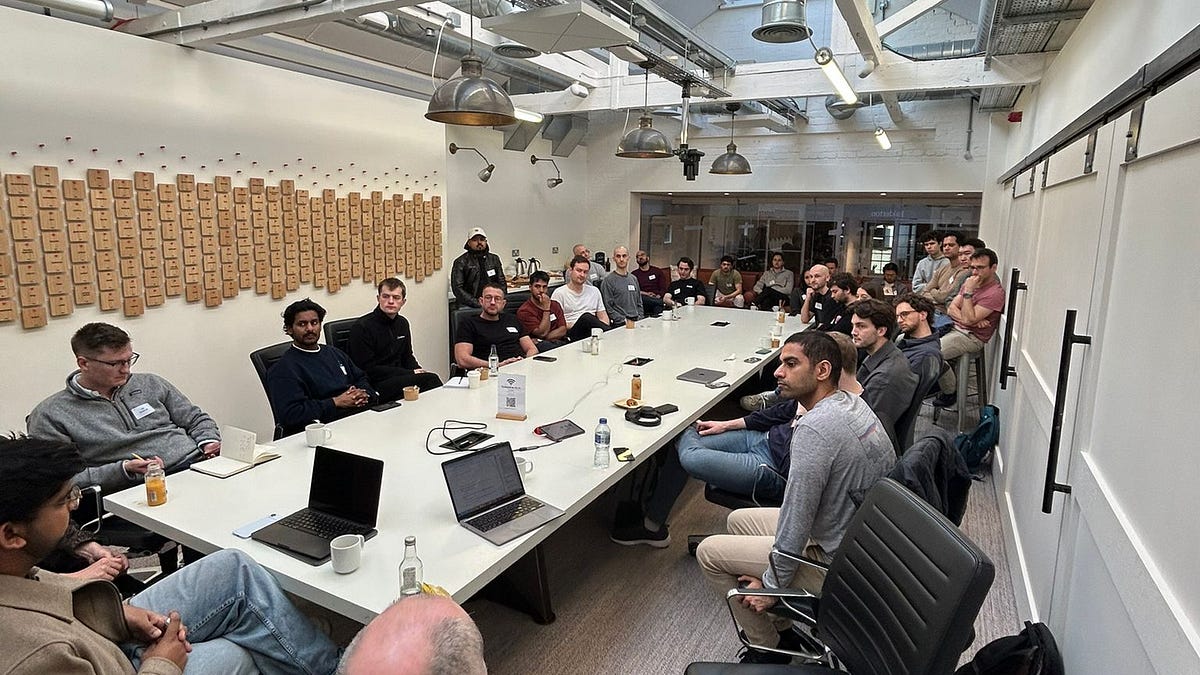
Evidence that AI agents may be degrading software quality and long-term development velocity. Worth reading with a critical eye.
 Gergely Orosz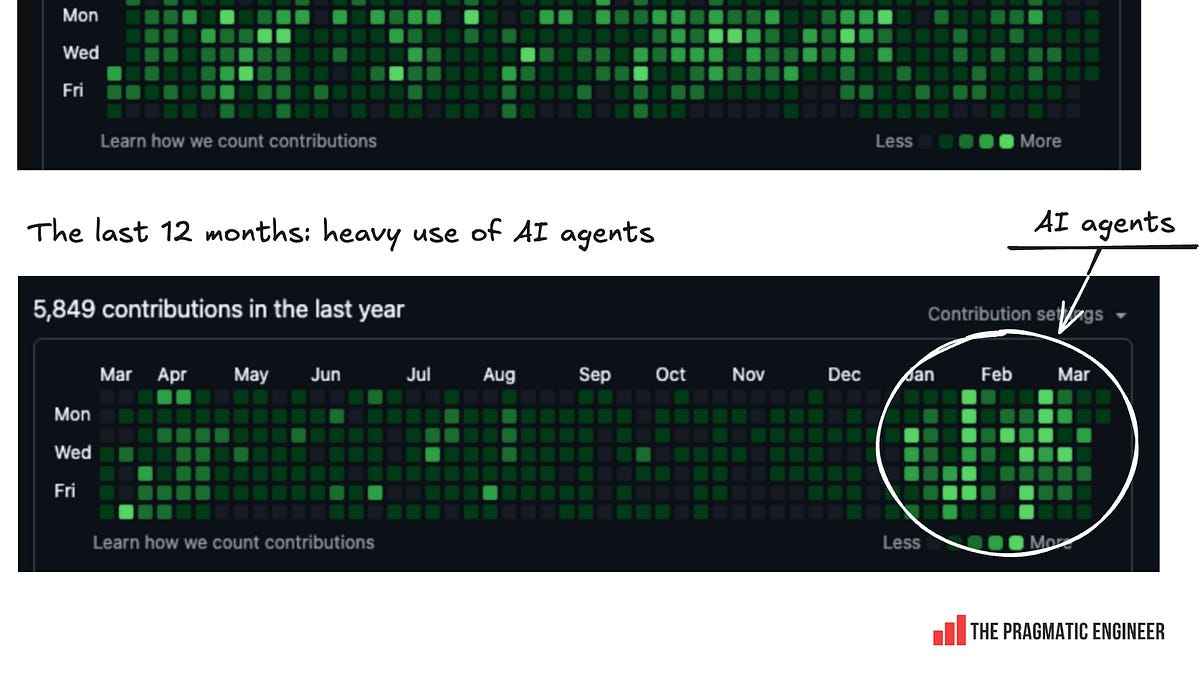
Holding two contradictory truths: the Iranian regime is genuinely evil, and the Trump administration's prosecution of the war has been reckless. Given Harris's outspoken criticism of Trump, this is an absolutely insane take.
 Sam Harris
World models learn to predict future states by observing video paired with actions. Agents can train in simulated dreams before deploying in the real world.
 Packy McCormick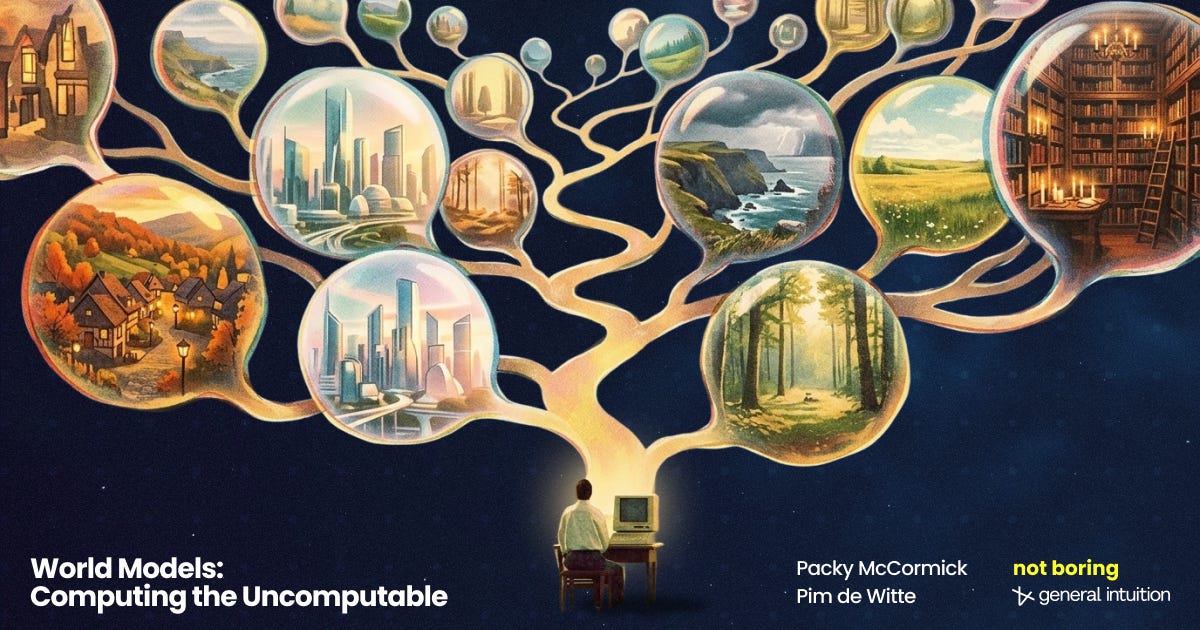
Felix Rieseberg on Claude Cowork — Anthropic's desktop app for agentic knowledge work. Built in 10 days by orchestrating multiple Claude instances.

Stratospheric aerosol injection as climate intervention. Drawing parallels to how volcanoes naturally cool the planet by reflecting sunlight. His Lordship Neal Stephenson predicted this in Termination Shock.
 Works in Progress
How semiotics applies to naming conventions in code. Variable names and class names function as signs that carry meaning.
Simon Willison on OpenAI acquiring the company behind uv and ruff. Is OpenAI acquiring the tools or the talent?
 Simon Willison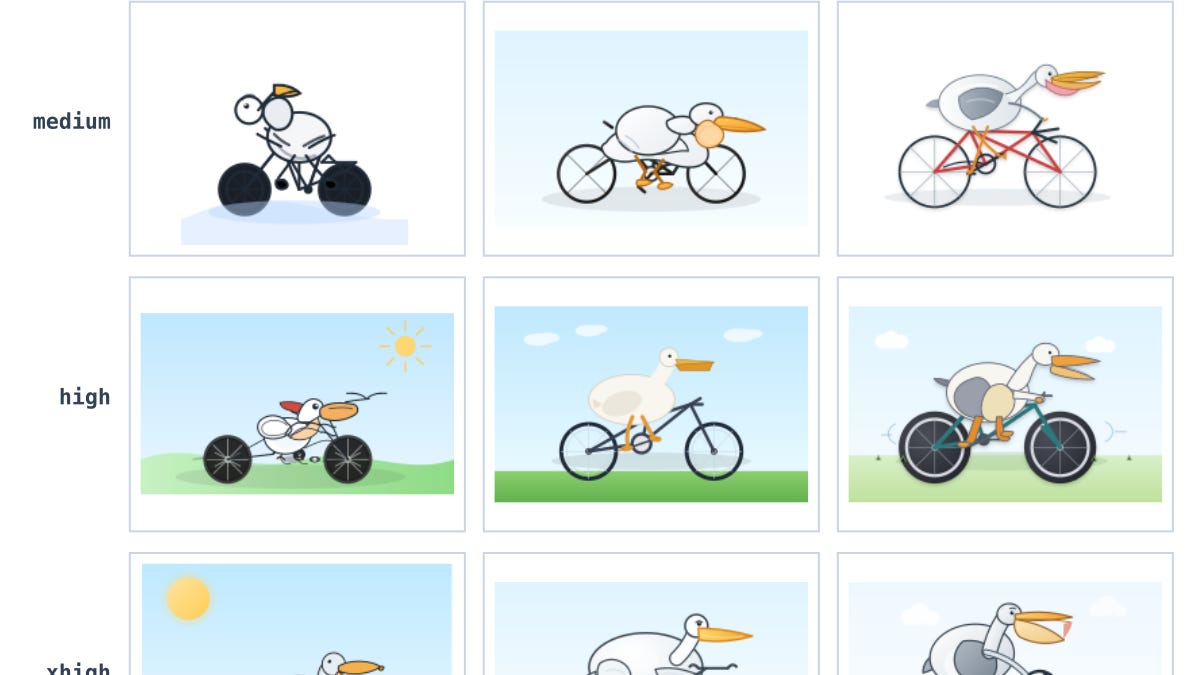
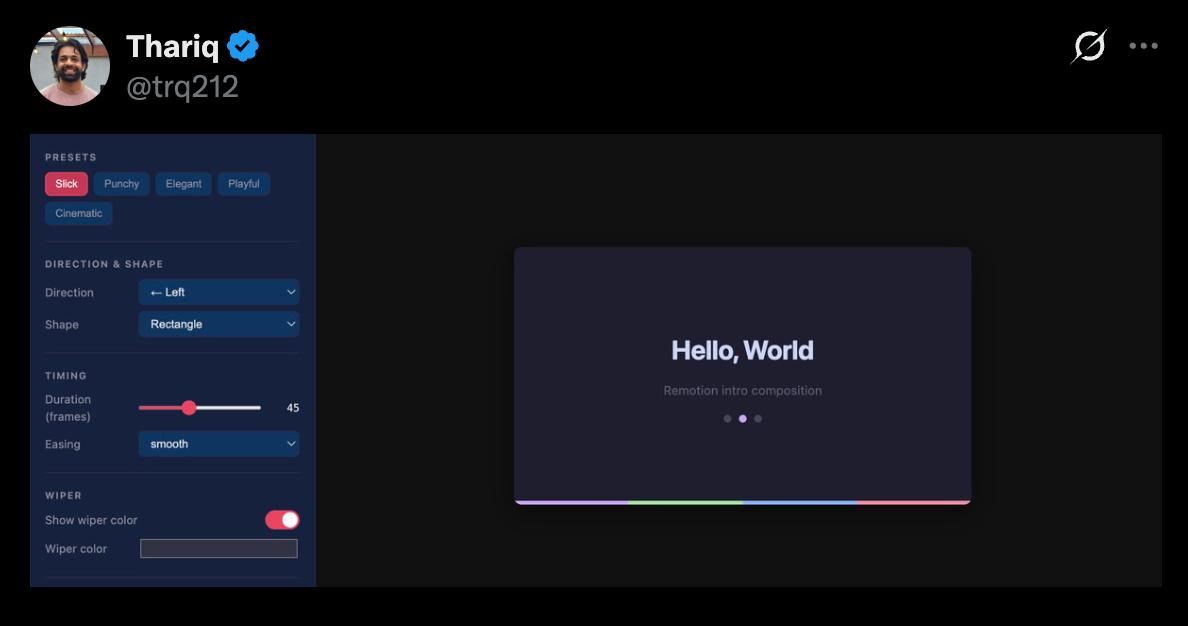
Thariq on the new Claude Code playground plugin — interactive HTML files for visualizing and iterating on problems.
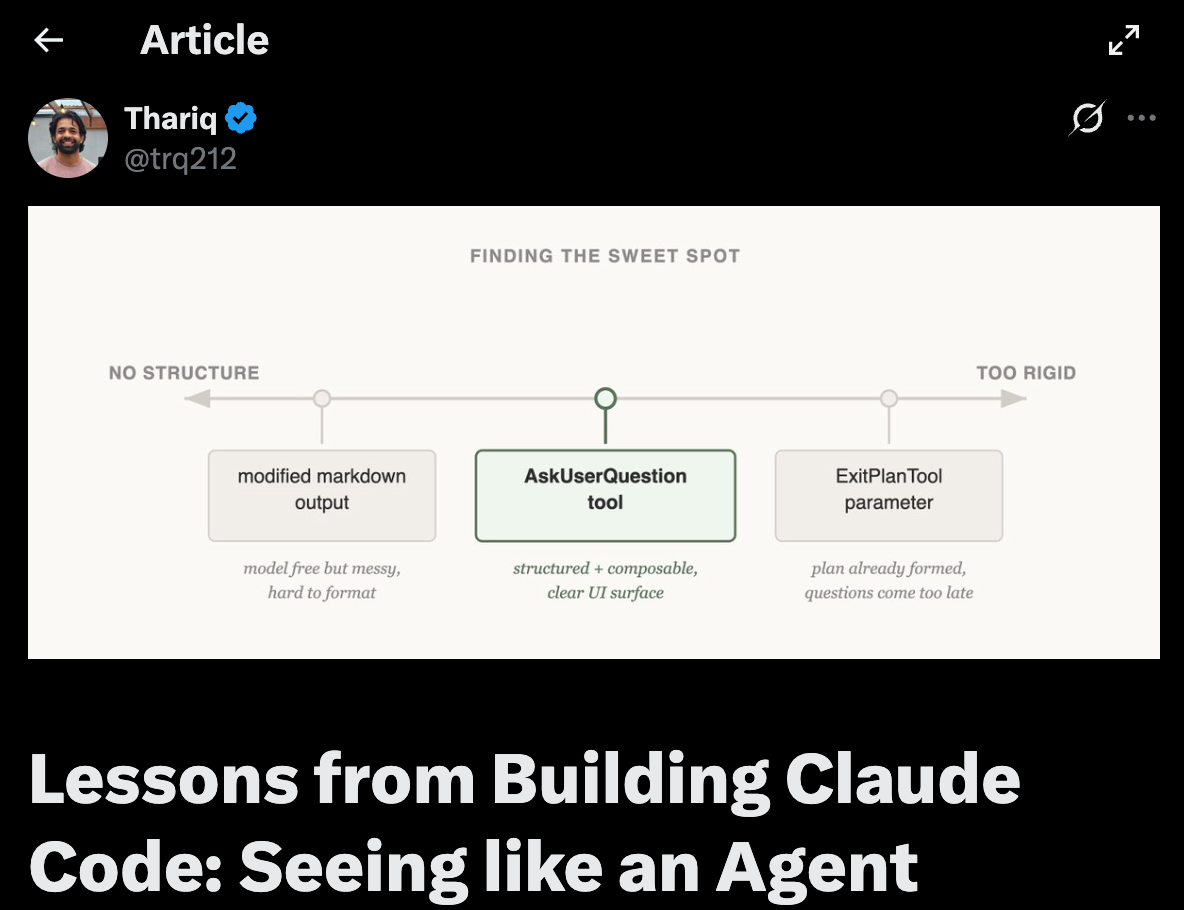
Building effective agent tools requires matching the model's capabilities to its needs rather than maximizing the number of tools.
Feed 1,000 comments to an LLM and ask it to profile the user. Surprisingly effective and deeply unsettling.
 Simon Willison
Simon Willison's guide to Git with coding agents. Agents have deep fluency with Git — let them handle it.
The Ghost CLI that's powering this very blog post. AI-native content management.
 John
John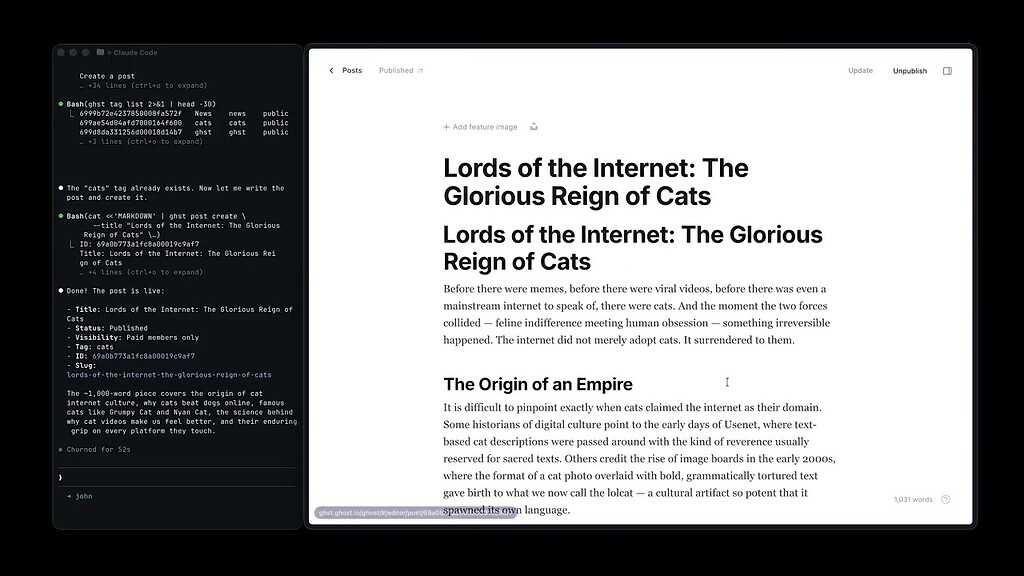
Karynn Ikeda applies semiotics — the study of signs and meaning — to software naming conventions. Variable names and class structures communicate meaning to humans, not just machines.

The nuanced art of knowing when to intervene. Managers who never decide create as little value as those who decide everything.
 Charles-Axel Dein
A CTO built a markdown-based AI operating system using Claude Code to manage 10 engineers, ship code, and operate at C-level simultaneously.
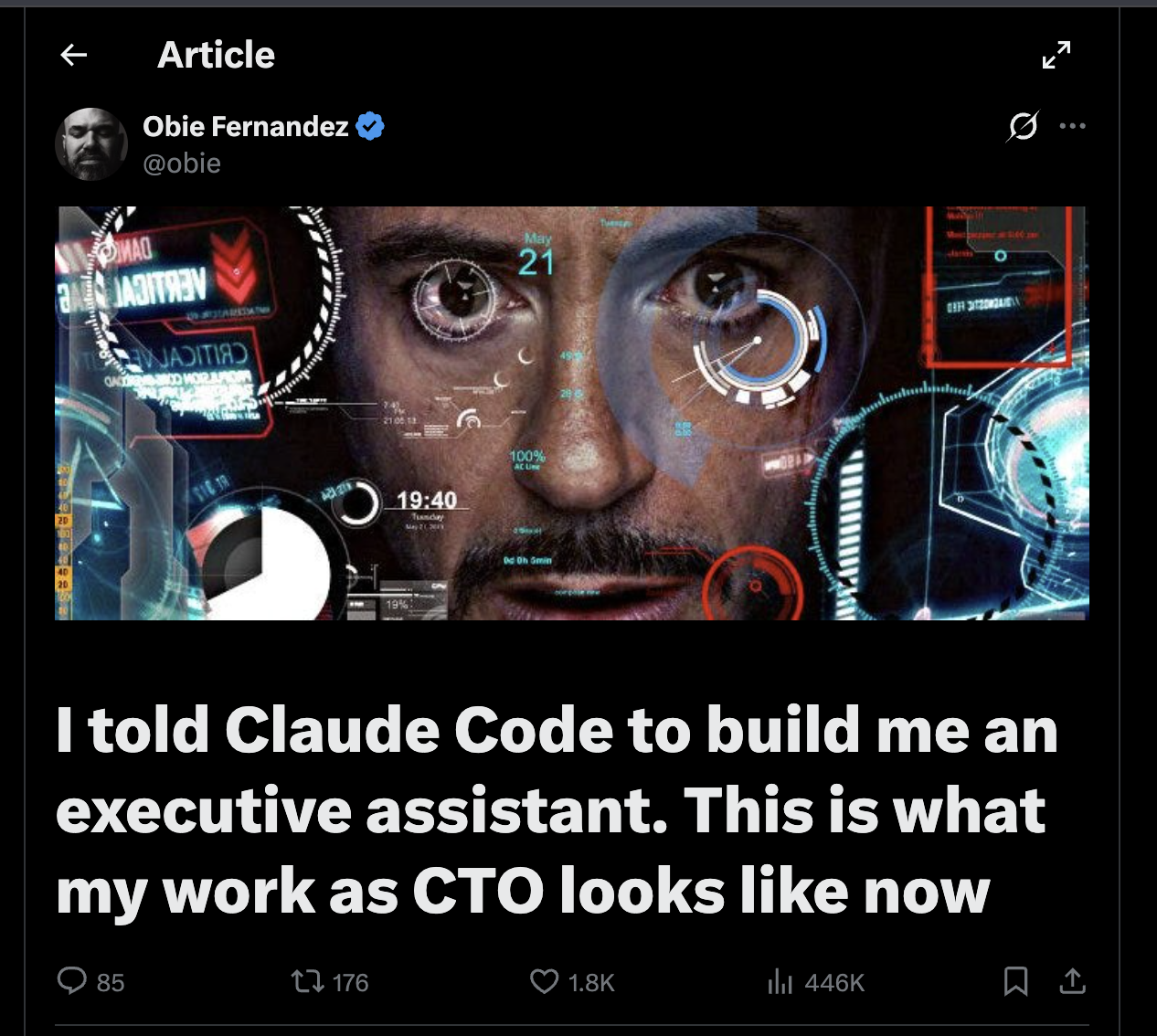
Some spicy takes from Searls. If your values aren't right and you can't figure out how to deliver impact you are in trouble.


Ross Douthat interviews a Claremont Institute fellow arguing white Americans face growing discrimination. The conversation is unhinged.
 Jeremy Carl
Jewish establishment organizations are failing by focusing on left-wing anti-Zionism while minimizing more dangerous right-wing antisemitism.
 Jay Michaelson
Jason Fried challenges the bespoke software hype. Most businesses don't actually want to build and maintain their own systems.


Patrick McKenzie on how debt collection operates as a commodified waste stream. Banks sell delinquent accounts as CSV files with minimal documentation.

Simon Willison's Pragmatic Summit talk on engineering practices for AI coding agents. TDD as the core reliability framework, working from minimal infrastructure, and treating agents as real collaborators.

Ben Thompson on OpenAI shifting toward enterprise, drawing parallels to Dropbox's evolution and 1980s Microsoft.

Will Maier, growth engineering lead at Stripe, on how November 2025 was the AI inflection point. Relatable.

Steve Yegge on how AI is transforming software engineering. His adoption framework is useful.
 Chris Okasaki
We are at a printing press moment.
 Guido Ruggiero
Calling AI 'just a next-token predictor' is a category error — like calling humans 'just next-sense-datum predictors.' Levels of description matter.
 Scott Alexander
Computer reviews function as permission slips that tell people what they're allowed to want. They miss how genuine obsession and skill development actually work.


Scott Alexander argues progressives should stop pressuring thoughtful Republicans to publicly denounce Trump and resign. Removing moderating voices from the inside doesn't help.
 Scott Alexander
Simon Willison's Pragmatic Summit talk on TDD, prompt injection defense, and shipping fast with AI agents. Essential viewing.
52 newsletters, a podcast, 50+ YouTube videos, a completed book, and coaching 200+ engineers — all from two focused hours per day.
 Steve Huynh
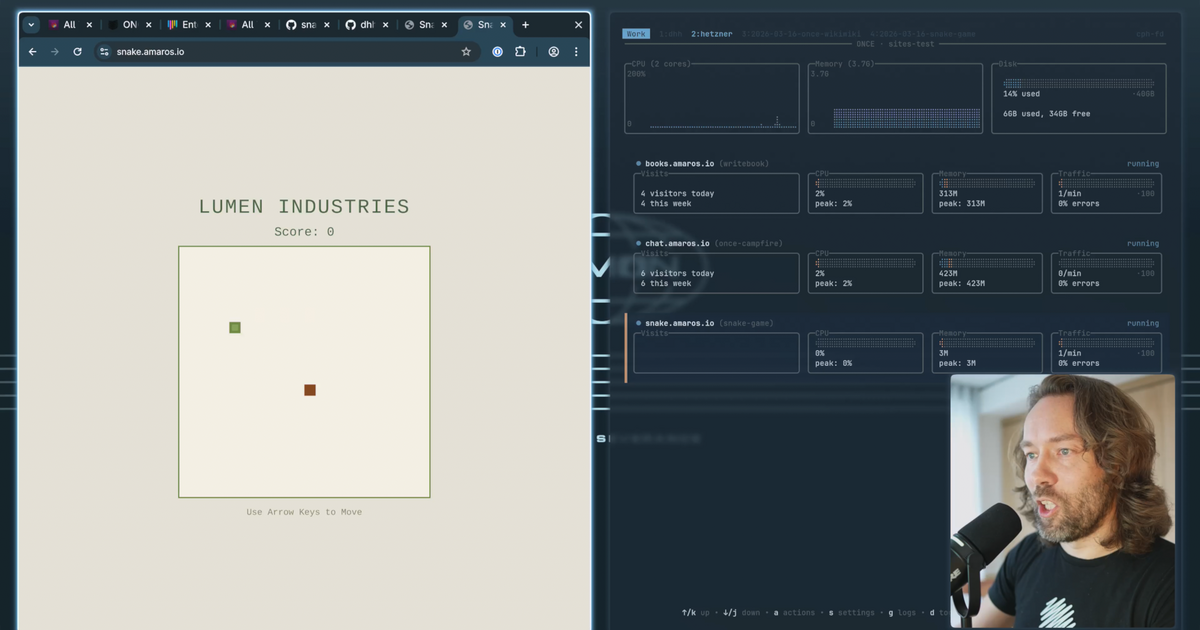
DHH presents ONCE for simplified multi-app deployment on a single server.
37signals pivoted ONCE from paid self-hostable apps to open source after limited market interest. I'm running Fizzy instances thanks to this.

Joel Spolsky's classic argument that rewriting software from scratch is a catastrophic mistake. The Netscape cautionary tale is evergreen.
 Joel Spolsky
Oversimplified solutions to complex problems offered by people with superficial knowledge. Dan Luu at his best.
Traditional code review is becoming obsolete when agents generate code faster than humans can review it. The shift to specification-driven development.
 Ankit Jain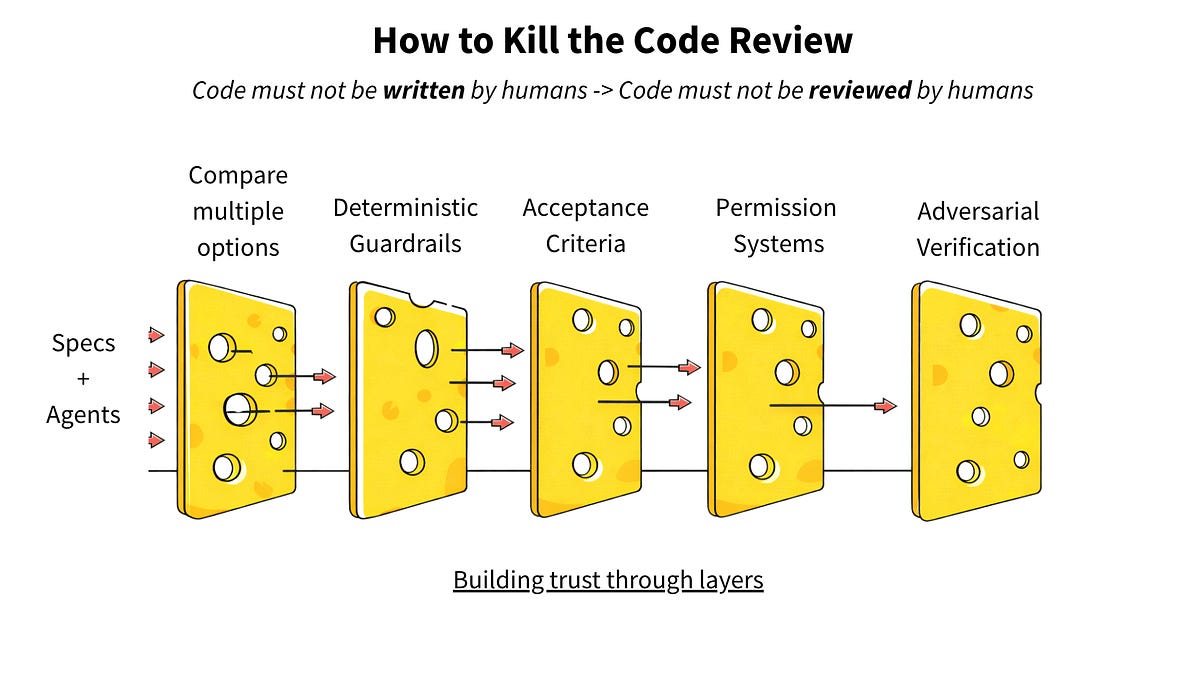
StrongDM's 'Software Factory' where coding agents write, test, and deploy code entirely without human code inspection. Bold.
 Simon Willison
"The definition of poverty is terribleness caused by scarcity." Patrick McKenzie on the dark underbelly of gift card regulation.
 Patrick McKenzie (patio11)
Member discussion