April 2026 Bakery

js-notes is my personal knowledge management system. It captures articles, podcasts, and videos, extracts their full text, and enriches them with AI-generated summaries and tags. This is everything that I added to my notes system in April 2026.
Derek Thompson and Aziz Sunderji explore why college-educated Millennial dads now spend nearly 4x the childcare time of their grandfathers — driven by dual-earner households, intensive parenting as status, genuine enjoyment, and the decline of socializing outside the home.
 Derek Thompson and Aziz Sunderji
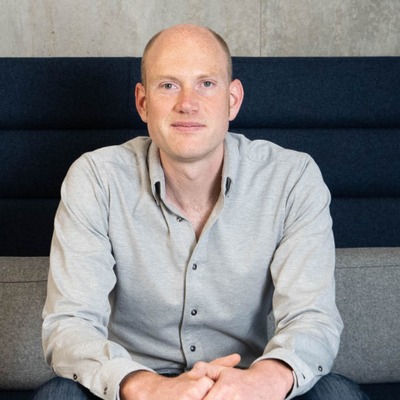
Will Larson argues that becoming a tech influencer requires a small number of high-quality pieces with deliberate distribution plans — not prolific output — and that most successful people in tech aren't well-known online at all.

Steve Yegge announces Gas City v1.0 — an SDK for building "dark factories" of collaborating agents, deconstructing the Gas Town stack into composable packs, and making the case that SaaS gets eaten from the bottom of the pyramid up.
Steve Yegge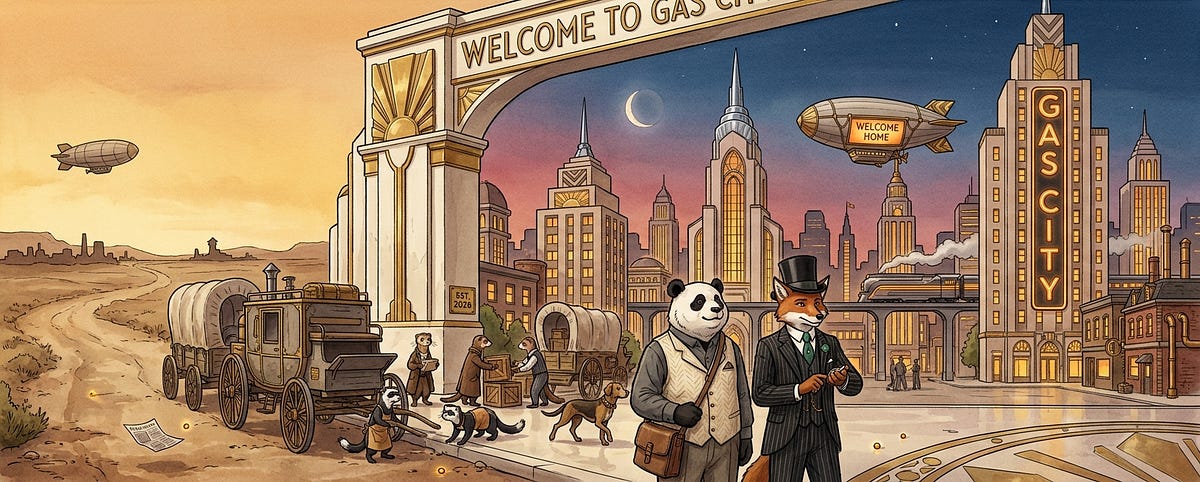
This one hit really hard:
Your goal when you're in your power years is to equally disappoint everyone in your life, which sounds like a horrible statement, but it's true. You have six hours to give, eight hours to give, 12 hours to give, and you have 20 hours of demand. What is your prioritization mechanism?
I am going to equally disappoint everyone, not disappoint one group. My parents will not be more disappointed than my kids, than my health, than my family, than my friends, than my partner, than my work, than my retirement account. That's essentially what your mindset is. It's I need to equally disappoint everyone.
Now you're telling me that the number one thing is to reinvent. When I'm barely able to manage this disappointment algorithm. It's quite dark that I think that that is the setup.
Lenny Rachitsky
Anh-Tho Chuong's template for teaching AI to write in your voice. The most important section is "Drafted vs Sent": the gap is the voice.
getlago
Patrick McKenzie reads his classic Bits about Money essay on how checks shaped American payment infrastructure, then examines what happened when DOGE tried to kill federal paper checks via Executive Order 14247. The carve-outs Treasury eventually had to make map almost exactly onto the essay's original argument: checks are the honey badger of payments.
Patrick McKenzie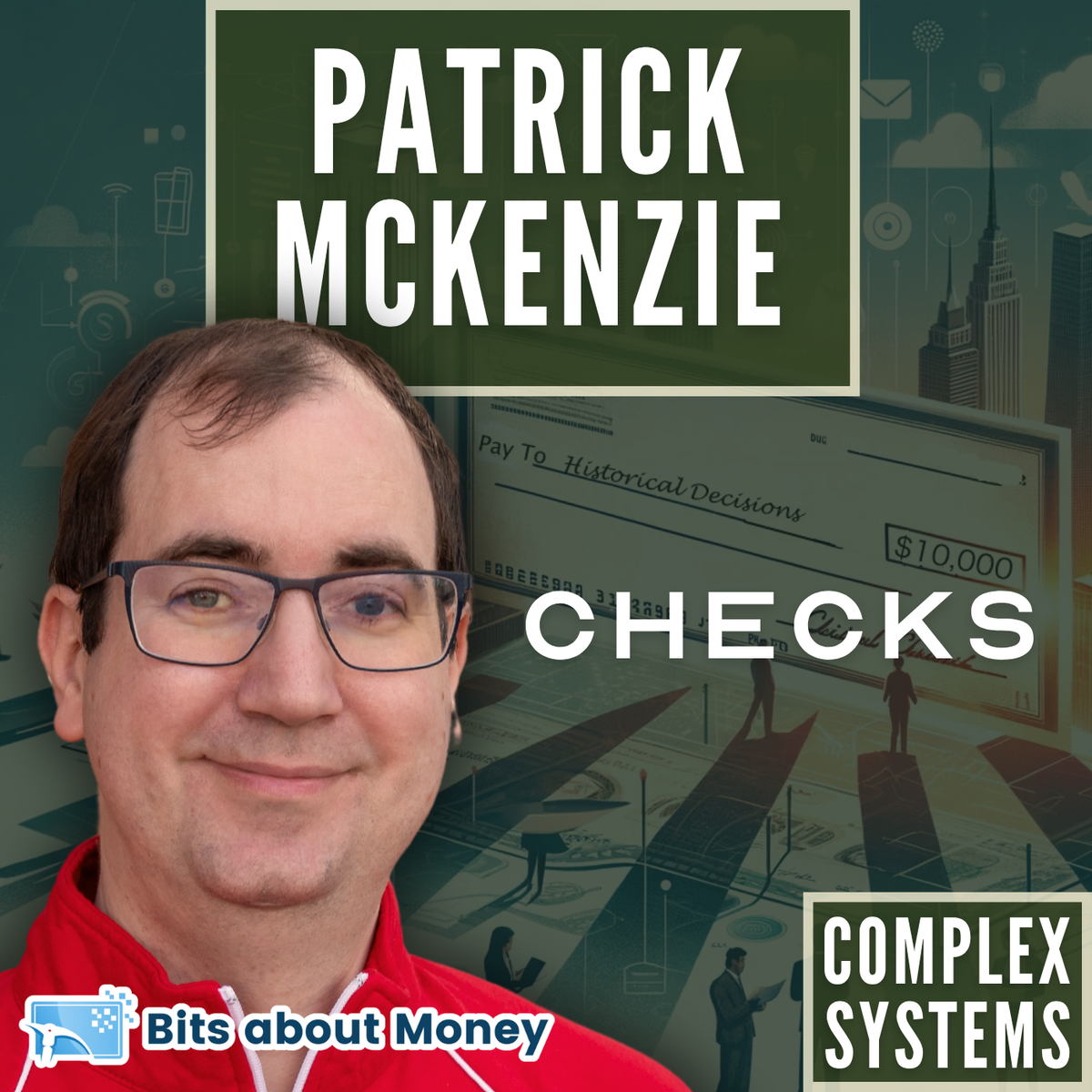
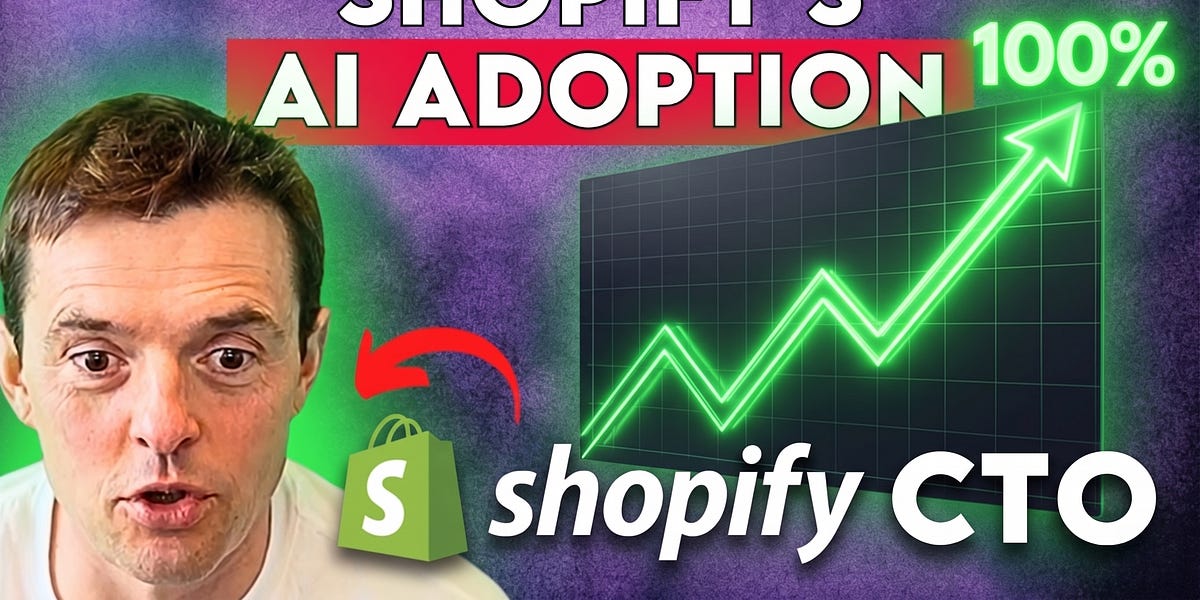
Mikhail Parakhin (Shopify CTO) on Shopify's 2026 AI phase transition — unlimited Opus-4.6 token budgets for engineers, customer simulation via SimGym, and a bet on non-transformer architectures.
Steve Huynh on the three candidate types he always rejected as a Bar Raiser at Amazon: the candidate who only prepared for the technical loop, the candidate who memorized leadership principles instead of having real stories, and the "one-story wonder" who recycles a single accomplishment for every question.
Steve Huynh
You got to know when to hold'em, know when to fold'em...
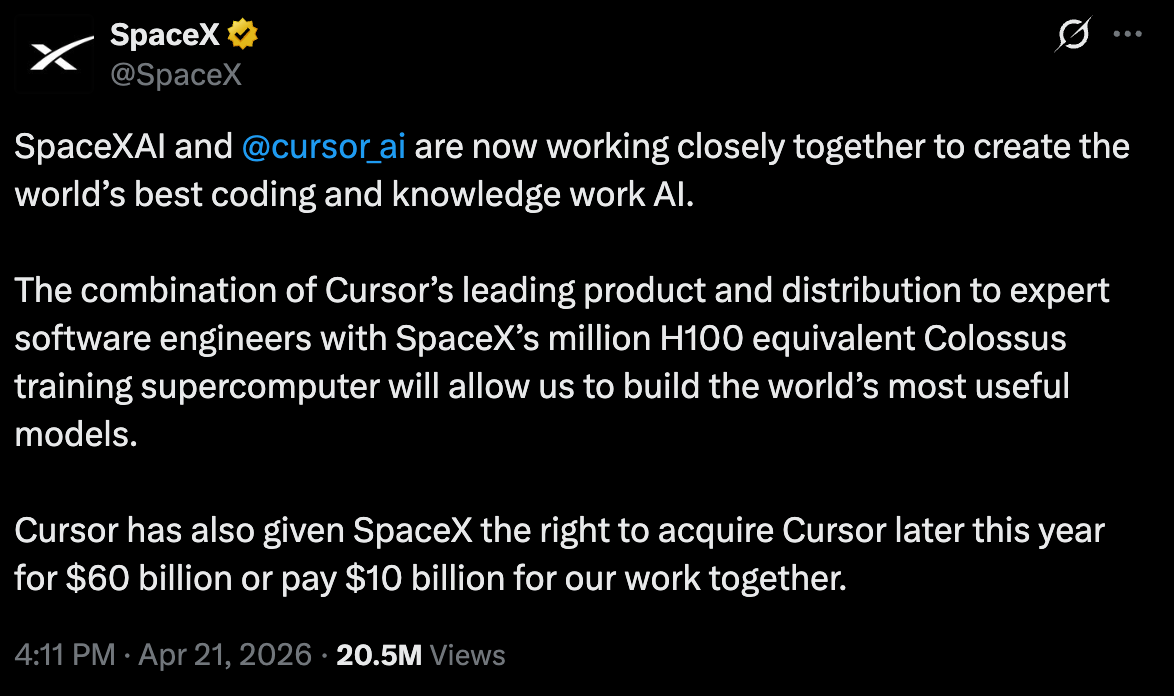
Sean Goedecke read the actual history of the Luddites and concludes their model doesn't transfer to anti-AI activism. Luddism only worked because it was intensely local — workers organizing with neighbors against local factories — while AI's threats and gains are global.

Dude went from Vietnamese refugee to CTO of Uber.
Gergely Orosz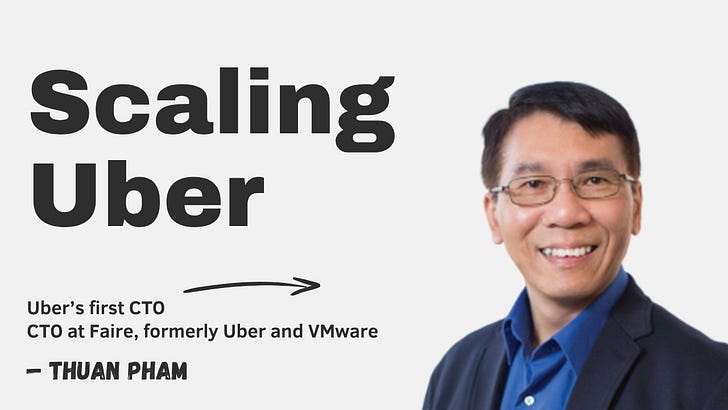
Steve Kinney on using AI agents to detect dead code in your codebase.
Steve Kinney
Ben Thompson and Andrew Sharp on six questions facing the frontier labs, the messaging problem with a skeptical AI public, and Amazon (and possibly Apple) ramping up to compete with Elon.

Don Moynihan on what the death of the IRS Direct File pilot tells us about declining US state capacity — public administration hollowed out, digital services starved, and the political economy of why it failed.
Don Moynihan
Derek Thompson on the rise of male loneliness, gambling addiction, and the casino-capitalism economy that increasingly targets atomized young men.
Derek Thompson
Steve Huynh on the three career stories every professional should have ready — calibrated to the audience and the moment. I wrote mine.
Steve Huynh
Gergely Orosz on "tokenmaxxing" — engineers gaming token usage as a productivity metric — and the broader pattern of metrics-gaming that emerges when AI usage gets measured.
Gergely Orosz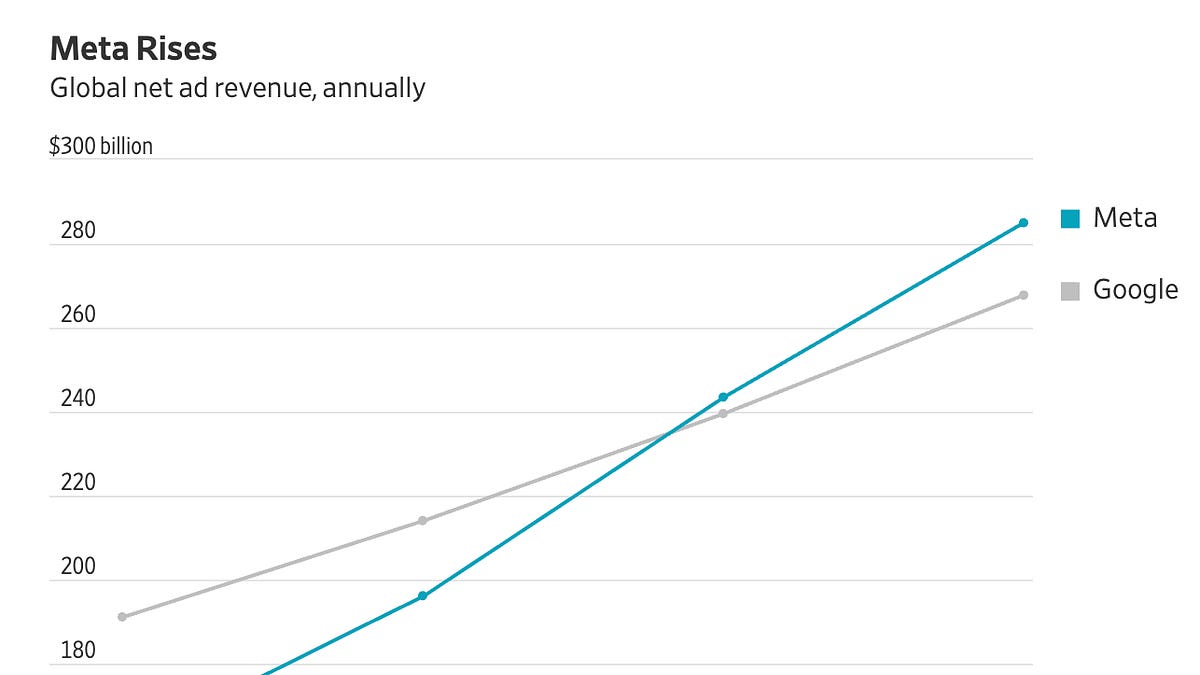
The FLUX Collective on plausible deniability in organizational communication — how leaders preserve maneuvering room by being just vague enough, and what that does to strategic clarity.
 The FLUX Collective
Sean Goedecke argues most anti-AI arguments are structurally conservative — appeals to tradition, intellectual property as a guild boundary, skepticism of disruption — even when made by progressives.
Patrick McKenzie on why cash received isn't revenue earned, and why the AI labs' financials look weirder than they should under standard SaaS accounting — virtual goods economics meeting real-money obligations.
Patrick McKenzie
Kim Bowes on Tyler Cowen's podcast — the actual material lives of Rome's bottom 90%, drawn from archaeology, and very different from the Senate-eye view of imperial decline.
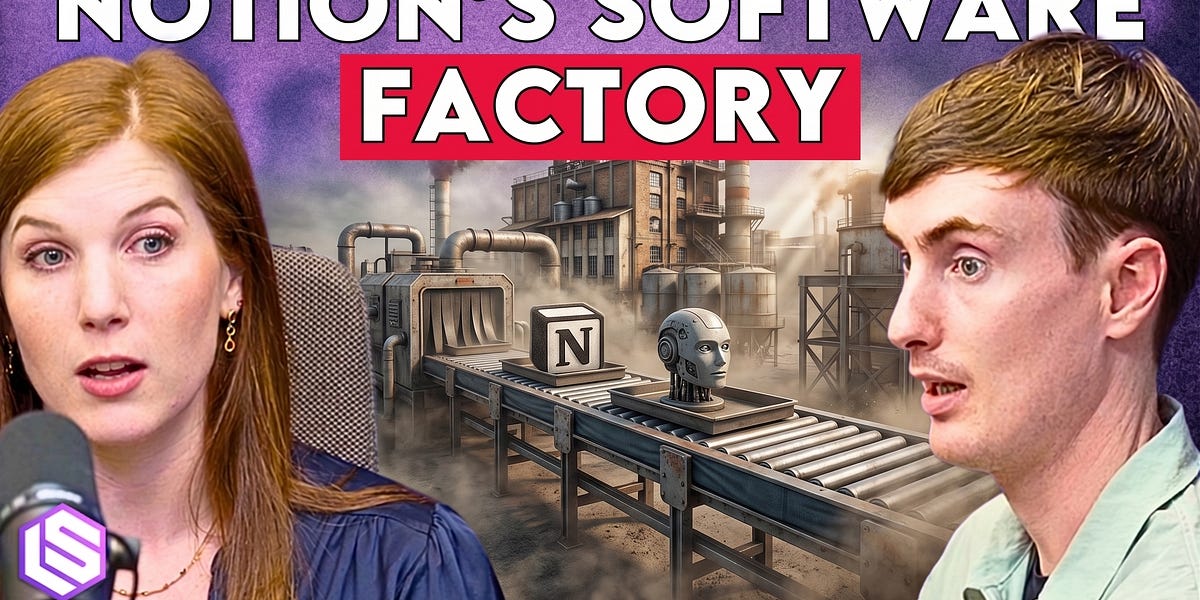
Simon Last and Sarah Sachs of Notion on rebuilding the product as a software factory — five rebuilds, 100+ tools, MCP versus CLIs, and what the agentic enterprise actually feels like to build inside.
Steve Huynh on the four signs your manager has stopped investing in you — and what to do before it shows up in the comp letter.
Steve Huynh
Works in Progress on the secret of Japan's railways — privatized regional operators that own the land along their tracks, financing transit via real-estate development at the stations.
Works in Progress and Benedict Springbett
Mati Staniszewski (ElevenLabs) on the state of voice AI — audio models, conversational agents, organizational design, and self-serve GTM at the frontier.
Tristan Harris on Sam Harris's Making Sense — escaping an anti-human future, AI alignment, and the coordination problems that keep us locked in the wrong equilibria.
Marshall Houston on three small developer workflows — fast feedback loops, rapid prototyping, and what tooling looks like when you optimize for joy rather than ceremony.
Marshall Houston
Ben Thompson on Anthropic's Mythos and Muse models, the opportunity cost of compute, and how aggregation theory plays out when the bottleneck is GPUs rather than eyeballs.

Dylan Vassallo on how OpenAI's engineering team works — internal tools, AI-native workflows, and the organizational design behind frontier-model development.

DHH demonstrates his new approach to writing code with AI agents — a Rails-flavored take on AI-assisted development that keeps craftsmanship at the center.
Jesse Genet on the five "OpenClaw" agents that now run her home, finances, and code — including one for homeschooling her kids.
Patrick McKenzie on Complex Systems — your bank balance isn't actually in the bank, deposit insurance is the load-bearing fiction, plus stablecoins and other financial alchemy.
Patrick McKenzie
The New Yorker asks whether Sam Altman can be trusted with the future — corporate governance, the OpenAI board fight, and the broader question of who controls AI.
Ronan Farrow and Andrew Marantz
Ben Thompson on Anthropic's new model, the Mythos Wolf, Glasswing, and the alignment story emerging as the frontier labs differentiate on safety.
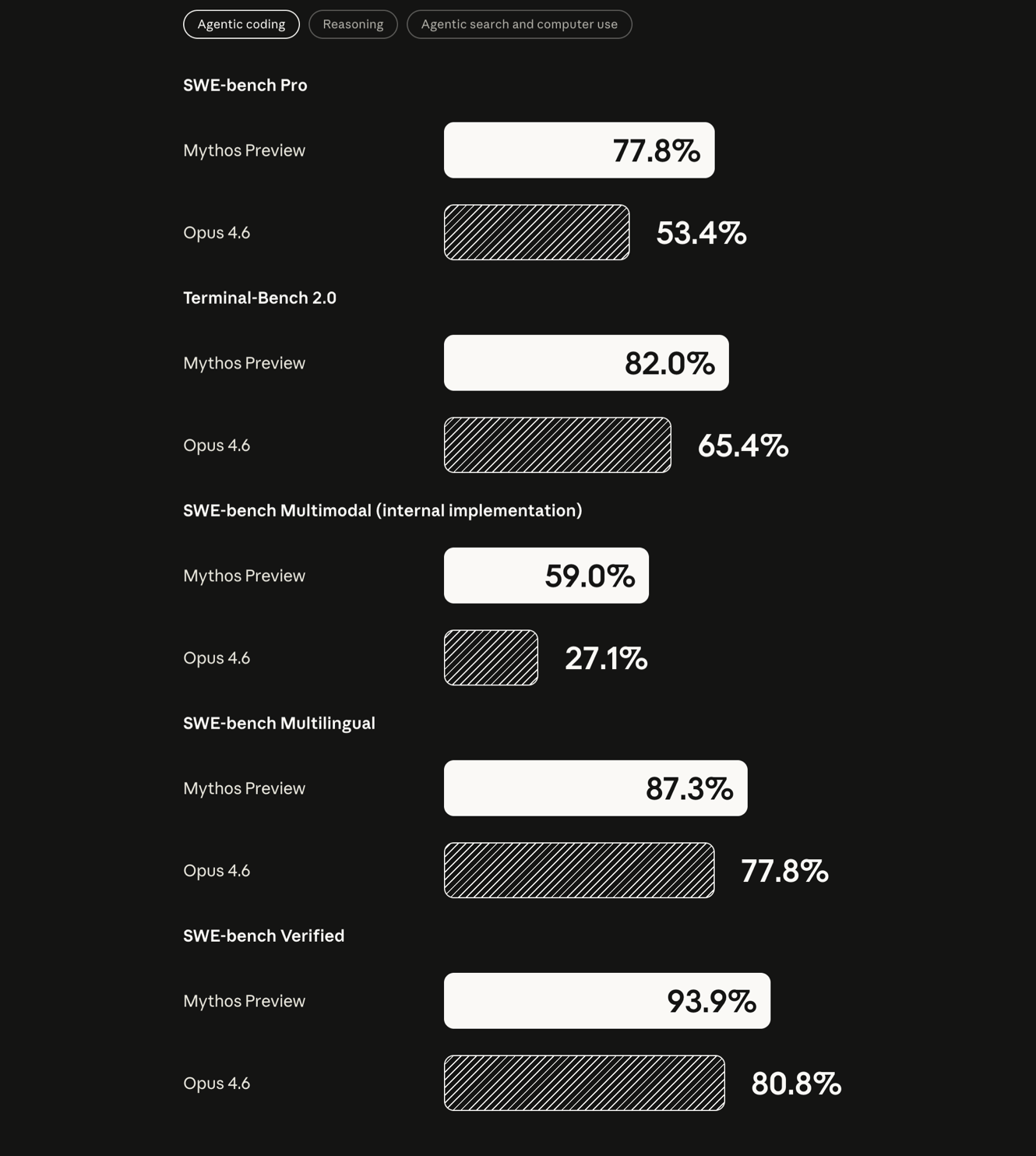
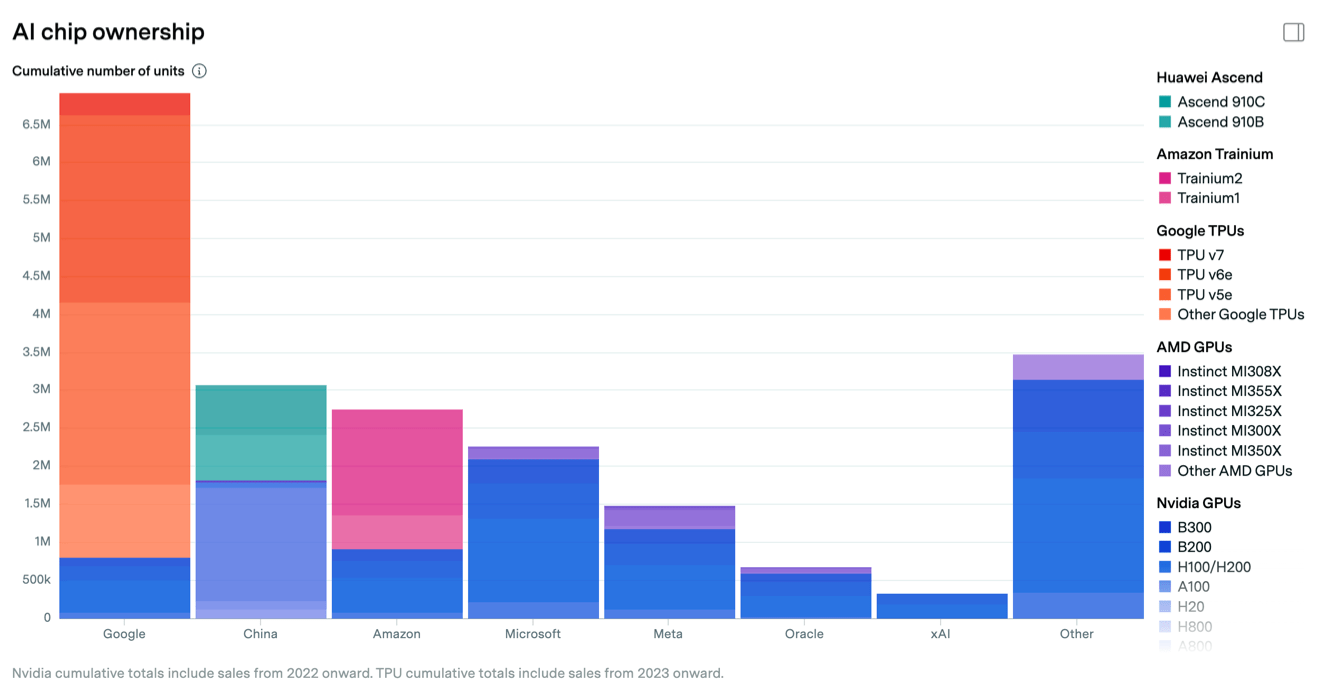
Ben Thompson on Anthropic's expanded TPU deal with Google — the compute crunch, the Anthropic-Google alliance, and what it means for enterprise AI capacity.
Steve Kinney's preview of his self-testing AI agents course — using Playwright plus LLMs to automate development tasks end-to-end.
Steve Kinney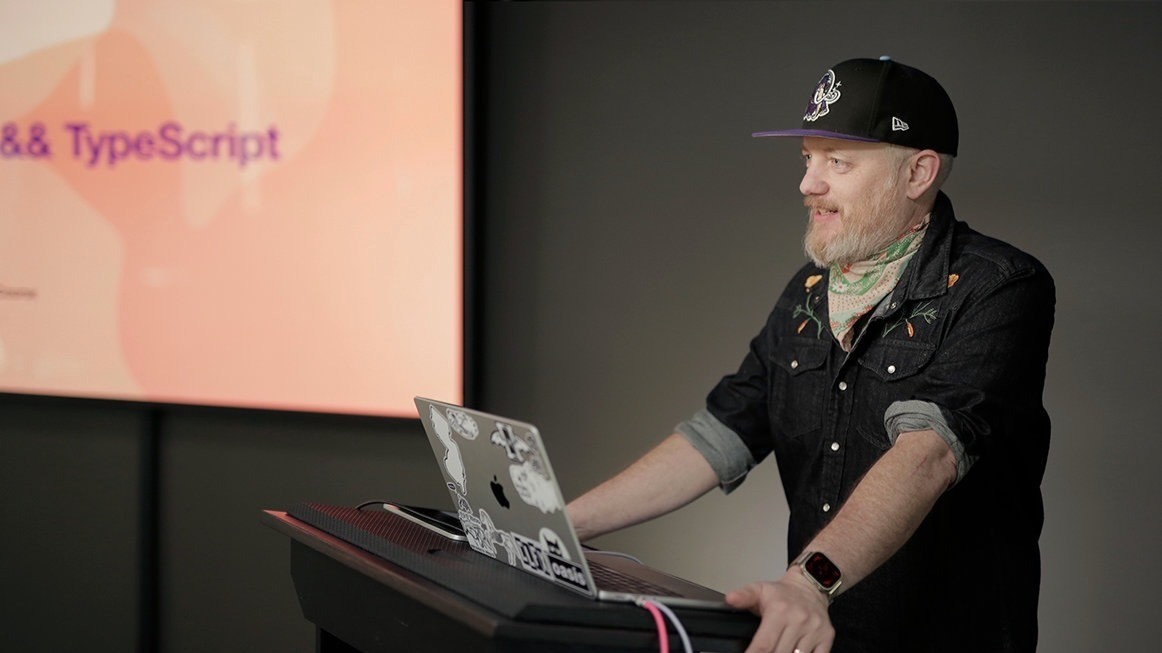
Ben Thompson on OpenAI's acquisition of TBPN — tech media as the next AI distribution layer, plus the token-tsunami business model question.
Ross Douthat on whether Trump betrayed his base over the Iran war — conservatism, regime change, and the limits of the MAGA coalition.

Scott Alexander on "telescopic altruism" — the idea that we wrongly care about distant strangers more than nearby ones — and why he thinks the framing is mostly wrong.
Scott Alexander
Packy McCormick on the bad analogies people use to think about AI startup economics — and what he thinks the better ones are.
Packy McCormick
A YouTube explainer on inflatable space habitats and artificial gravity — NASA's TransHab history, current commercial efforts, and the engineering of large rotating structures.
Jenny Wen, design lead at Claude Cowork, walks through a 40-minute tutorial on the product and how she designed for AI-augmented prototyping.
Marshall Houston on his co-intelligence writing system — how he keeps AI in the loop with his own writing process without losing the voice.
https://marshallhouston.github.io/co-intelligence-ai-augmented-writing-system
Sean Goedecke applies Peter Naur's "programming as theory building" to AI agents — the theory lives in the developer's head, not in the code, and that has consequences for what AI can and can't take over.
Steve Yegge on Gas Town's evolution from clown show to v1.0 — the messy founding story behind the Gas City SDK that shipped a few weeks later.
Steve Yegge
God damn.
Member discussion